

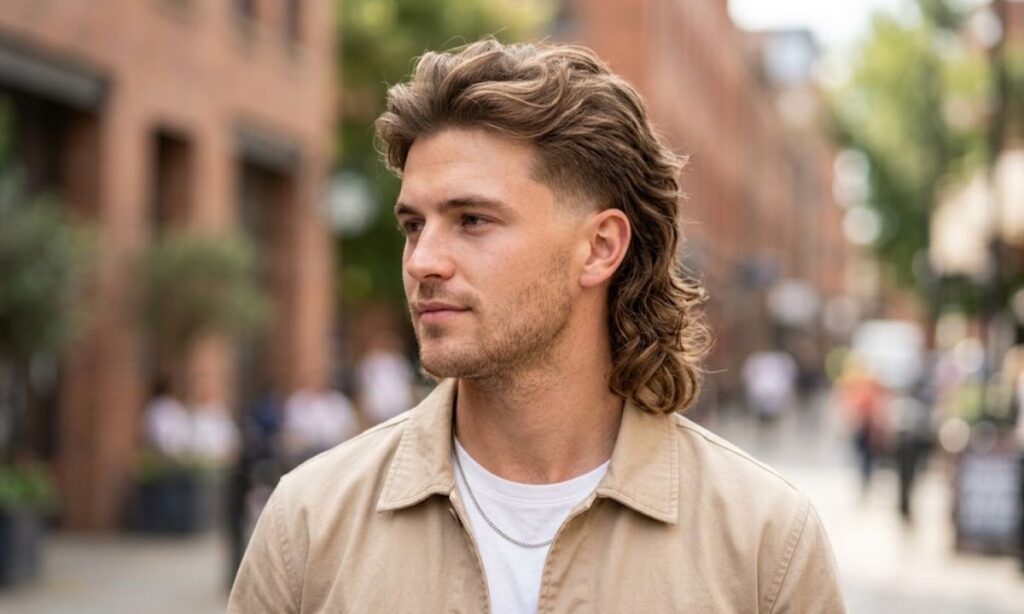
Choosing a haircut that looks sharp at the office and still has personality on the weekend isn’t easy. That’s exactly why the low taper mullet has become one of the most requested cuts for men right now. It keeps the sides clean and close to the skin, holds a bit of texture on top, and lets the back grow out into a soft, controlled length instead of a dramatic shelf.
Unlike the loud, disconnected mullets of decades past, this version is subtle. The fade blends low near the ear, the transition is smooth, and the length in the back sits naturally around the collar. It works with straight, wavy, and curly hair, and it doesn’t demand a long styling routine every morning.
This guide breaks down what a low taper mullet actually is, which version fits your face shape and hair type, the most popular variations barbers are cutting in 2026, and how to keep it looking fresh between appointments.
What Is a Low Taper Mullet

A low taper mullet is a haircut where the fade starts low, usually an inch or two above the ear, and blends gradually into a longer, layered section at the back. The sides stay short and tidy, the top carries light texture or volume, and the nape is left long enough to create that signature mullet silhouette without looking harsh.
The word “low” refers to where the taper begins. A low taper sits much closer to the hairline than a mid or high fade, so less skin is exposed and the overall look reads calmer and more professional. Pair that low fade with mullet-length hair in the back, and you get a cut that’s bold from behind but still buttoned-up from the front.
Key traits of a classic low taper mullet:
- Short, tapered sides that fade close to the skin near the ear
- A soft, gradual blend rather than a sharp line
- Textured or layered length on top
- Noticeably longer hair at the nape and back
- A wearable, low-maintenance finish that grows out cleanly
Because the fade is subtle, regrowth barely shows for the first few weeks, which means most guys can stretch touch-ups to every four to six weeks — longer than a high or mid fade requires.
Low Taper Mullet
Face Shape and Hair Type Guide

Not every mullet variation flatters every face or hair texture the same way. Use the table below as a starting point, then let your barber fine-tune the details based on your hairline and head shape.
| Face Shape / Hair Type | Best Low Taper Mullet Style | Why It Works |
| Round face | Low taper mullet with volume on top | Adds height and length, balancing width |
| Square face | Low taper fade with textured crop | Softens sharp jawlines with movement |
| Oval face | Classic low taper mullet (baseline) | Nearly any length or texture suits this shape |
| Long face | Low taper mullet with fringe or side sweep | Breaks up vertical length |
| Straight hair | Low taper mullet straight hair | Clean lines, easy to style, sharp part |
| Wavy hair | Low taper mullet wavy hair | Natural texture adds movement without effort |
| Curly hair | Low taper mullet curly hair | Curl pattern gives volume and definition on top |
| Thick hair | Modern mullet taper fade | Handles bulk while keeping sides light |
If you’re unsure which category you fall into, bring two or three reference photos to your appointment. A skilled barber will read your hairline, growth pattern, and density before recommending the final shape.
Variations of the Low Taper Mullet
The low taper mullet isn’t a single haircut — it’s a family of styles that share the same fade but differ in texture, curl pattern, and finish. Here’s a closer look at the most popular versions being requested in barbershops today.
Low Taper Mullet (Baseline)
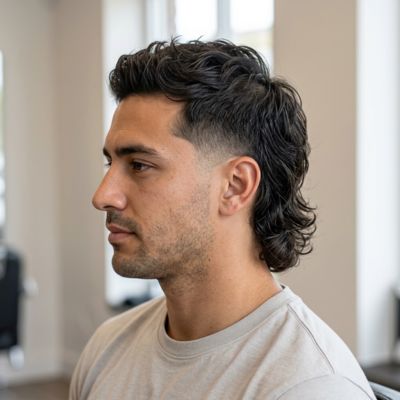
This is the foundation every other variation builds from. The sides taper low and close to the skin, the top keeps a moderate length with light texture, and the back is trimmed to a wearable, collar-length finish. It’s the safest first mullet for anyone who wants the look without committing to something extreme, and it’s easy to adjust shorter at any point if you change your mind.
Low Taper Mullet Fade
This version pushes the fade slightly higher on the blend while still keeping the starting point low near the ear. The result is a crisper contrast between the sides and the top than the baseline cut offers, giving the style a sharper, more defined edge. It suits guys who want a bit more contrast without moving into a mid or high fade territory.
Low Taper Mullet Straight Hair

Straight hair shows every line clearly, which makes this cut look especially clean and structured. The fade blends smoothly, the top can be styled with a simple side part or slicked back, and the back length lies flat instead of flaring out. Minimal product is usually needed — a light pomade or matte clay keeps it in place all day.
Low Taper Mullet Curly Hair
Curls naturally add volume, so this variation leans into that texture instead of fighting it. The sides stay tapered and tight, while the curls on top and in the back are left to spring freely, creating a fuller, more textured silhouette. A curl-defining cream or light gel helps control frizz without weighing the curls down.
Low Taper Mullet Wavy Hair

Wavy hair strikes a balance between the sharp lines of straight hair and the volume of curls. This cut lets the natural wave pattern do most of the styling work, so it looks effortless with minimal daily upkeep. A sea-salt spray or texturizing paste can enhance the wave without making it stiff.
Modern Mullet Taper Fade
The modern mullet taper fade takes the traditional silhouette and refines it for 2026 trends. Expect cleaner edges, a more polished taper, and a back length that’s tailored rather than left shaggy. This variation is popular with guys who want the mullet’s edge but still need a cut that reads professional in an office setting.
Low Taper Mullet Asian

Asian hair tends to be thicker and straighter with a strong, uniform growth pattern, which changes how this cut behaves. Barbers typically thin out the top with texturizing shears to prevent bulk, keep the taper tight against the skin, and shape the back into soft, feathered layers instead of a blunt cut. This approach keeps the style light and movable rather than heavy.
How to Style a Low Taper Mullet
A low taper mullet doesn’t need a complicated routine, but a few simple steps make a real difference in how it looks day to day.
- Start with towel-dried hair, not soaking wet
- Apply a small amount of styling product suited to your hair type (clay for straight hair, cream for curls, spray for waves)
- Use your fingers to work product through the top for texture
- Push the back and nape slightly forward or leave it natural, depending on the length
- Finish with a light hold spray if you want the shape to last through the day
Maintenance Tips

Keeping a low taper mullet sharp comes down to consistent upkeep rather than daily effort.
- Book fade touch-ups every 4–6 weeks to keep the taper clean
- Trim split ends on the longer back section every 8–10 weeks
- Use a hydrating conditioner if your hair type runs dry, especially with curls or waves
- Avoid over-washing, which strips natural oils and makes styling harder
- Ask your barber to blend the taper each visit, even if you’re growing the back out
What Is a Tapered Mullet
A tapered mullet blends short, gradually-fading sides into a longer crown and back section, creating the classic “business in the front, party in the back” shape without a hard, choppy line. Unlike a skin fade, a taper never fully exposes bare scalp — it graduates smoothly from short to long, which makes the cut easier to grow out and more forgiving between appointments.
The height where that fade begins is what separates the three main styles:
- Low taper: starts near the ear
- Mid taper: starts around the middle of the side, roughly level with the temple
- High taper: starts near the temple or crown, exposing the most skin
Every variation on this list — from a short low taper mullet to a bold high taper mullet — builds on this same core idea.
High Taper Mullet

The high taper mullet is the boldest, most dramatic version of the cut. The fade begins near the temple or crown, creating sharp contrast between the short sides and the longer top and back. It’s the go-to choice for guys who want their haircut to stand out immediately, in photos and in person.
Because the fade sits higher, this style exposes more skin and needs more frequent maintenance — regrowth shows faster near the temple than it would with a lower fade. A high taper mullet pairs especially well with thick or curly hair, since the extra contrast helps define texture and volume up top.
Best for: confident, statement-making looks and round or square face shapes that benefit from added vertical height.
Care Guide
Mid Taper Mullet
The mid taper mullet sits right between the high and low versions, and that middle ground is exactly why it’s so popular. The fade begins around the middle of the side, roughly level with the ear, giving the cut a balanced, versatile finish that reads polished at work and relaxed on the weekend.
A mid taper mullet also does a great job framing an oval or long face without overwhelming it, adding just enough definition at the temples while keeping the length in the back intact. It’s a strong “safe middle” option if you’re unsure whether to go bold or subtle.
Best for: almost every face shape, and anyone who wants a taper mullet that doesn’t lean too hard in either direction.
Taper Mullet Fade: Comparing High, Mid & Low
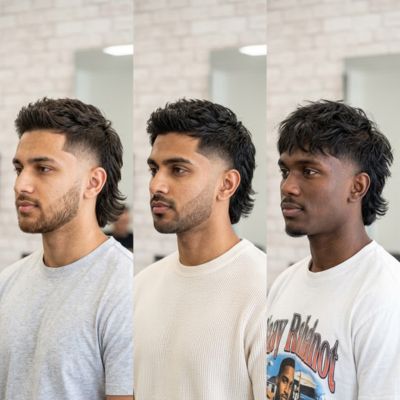
The word “fade” simply describes how the hair graduates from short to long. Here’s a quick side-by-side look at how each taper height changes the finished result.
| Taper Height | Fade Starting Point | Contrast Level | Maintenance | Best For |
| High Taper Mullet | Temple or crown | Strong, dramatic | Every 3–4 weeks | Bold, statement styles |
| Mid Taper Mullet | Mid-side, level with ear | Balanced, moderate | Every 4–5 weeks | Versatile, everyday wear |
| Low Taper Mullet | Near the ear | Subtle, soft | Every 4–6 weeks | Professional, low-key looks |
Whichever height you choose, the taper mullet fade should always blend gradually — no harsh lines — so the transition from sides to length looks intentional rather than accidental.
Short Low Taper Mullet
Not every mullet needs dramatic length in the back. The short low taper mullet keeps the sides tightly tapered and trims the back to a shorter, more manageable length — just enough to hint at the mullet shape without the full flowing tail. It’s an excellent entry point for anyone nervous about committing to a longer mullet, since it’s easy to trim shorter later if you decide the style isn’t for you.
This version also suits thinner hair well, since shorter length in the back avoids looking stringy or flat.
Low Taper Mullet Middle Part

Adding a middle part to a low taper mullet instantly gives the top a more structured, editorial finish. The hair is combed away from a center point on both sides, creating symmetry that pairs nicely with straight or slightly wavy textures. It works especially well on medium-length tops, where there’s enough hair to fall cleanly on each side without looking flat.
Styling tip: use a light pomade and a comb to set the part while the hair is still slightly damp, then let it air-dry for a natural finish.
Low Taper Mullet Flow
The “flow” variation focuses on movement rather than sharp lines. Instead of a defined part or slicked-back finish, the top and back are left loose, allowing natural waves or light curls to move freely. This style leans into an effortless, tousled texture and is a favorite among guys with naturally wavy hair who don’t want to spend time styling every morning.
A sea-salt spray or light texture cream is usually all it takes to enhance the flow without making it stiff or crunchy.
Men’s Low Taper Mullet
At its core, the men’s low taper mullet is the most wearable version of the entire mullet family. It keeps the sides short and tidy, holds a manageable length on top, and lets the back grow out just enough to create the mullet silhouette without looking messy or dated. It’s the style most barbers recommend for first-timers because it’s subtle, professional, and easy to adjust.
Low Taper Mullet Fade for Wavy, Curly & Straight Hair
Hair texture changes how the same haircut behaves, so here’s how the low taper mullet fade adapts to each type.
Wavy Hair
Waves add natural texture without much effort. A light sea-salt spray enhances the movement while keeping the style loose and effortless.
Curly Hair
Curls bring built-in volume, so barbers often leave more length on top to let the curl pattern show. A curl cream controls frizz without flattening the shape.
Straight Hair
Straight hair shows clean lines clearly, making this cut look sharp and structured. A matte clay or light pomade keeps everything in place all day.
How to Style in Three Steps
You don’t need a long routine to style any tapered mullet — just three consistent steps:
- Prep damp hair with a small amount of product suited to your texture (clay for straight, cream for curls, spray for waves).
- Work the top with your fingers to build texture and lift, focusing on the crown for volume.
- Set the back by combing it flat, pushing it forward slightly, or leaving it loose depending on the flow you want.
Barber Instructions
Walking into the shop with the right words saves you from leaving with the wrong cut. Try this script:
- “I want a [low/mid/high] taper mullet — fade starting near the [ear/temple].”
- “Keep the top at [length] with texture, and leave the back longer for the mullet shape.”
- “Blend the fade gradually — no harsh line between the sides and the top.”
- “Trim the back to [collar/shoulder] length.”
Being specific about the fade height and back length is the single biggest factor in getting the exact style you pictured.
Care and Upkeep
A tapered mullet stays sharp with a simple maintenance routine:
- Book fade touch-ups every 3–6 weeks depending on how high the taper starts
- Trim the back section every 8–10 weeks to prevent split ends
- Use a hydrating conditioner if your hair type runs dry
- Avoid heavy products that weigh down natural texture
- Ask your barber to reblend the taper at every visit, even while growing the back out
Frequently Asked Questions
What is a low taper mullet?
It’s a haircut with a low, close fade on the sides and a longer, layered length left at the back.
Is a low taper mullet still in style in 2026?
Yes, it’s one of the most requested men’s haircuts right now for its clean, wearable look.
How often should I get a low taper mullet trimmed?
Every 4 to 6 weeks keeps the fade sharp and the back length under control.
Does a low taper mullet work for curly hair?
Yes, curly hair adds natural volume that pairs really well with this cut.
What face shape suits a low taper mullet best?
Oval and round faces suit it most easily, though most face shapes can wear it with small tweaks.
How do I ask my barber for a low taper mullet?
Say “low taper, fade starting near the ear, longer layered length at the back.”
Is a low taper mullet professional enough for work?
Yes, the low fade keeps it neat and office-appropriate from the front.
Conclusion
The low taper mullet works because it doesn’t force you to choose. It keeps things sharp up front. It keeps things fun in the back. That balance is why so many guys are picking it up right now.
Your hair type matters more than you think. Straight hair looks clean and structured. Curly hair adds natural bounce. Wavy hair just flows with little effort.
Talk to your barber before you sit down. Be clear about the fade height. Be clear about the back length. A few honest words save you from a bad haircut.
