
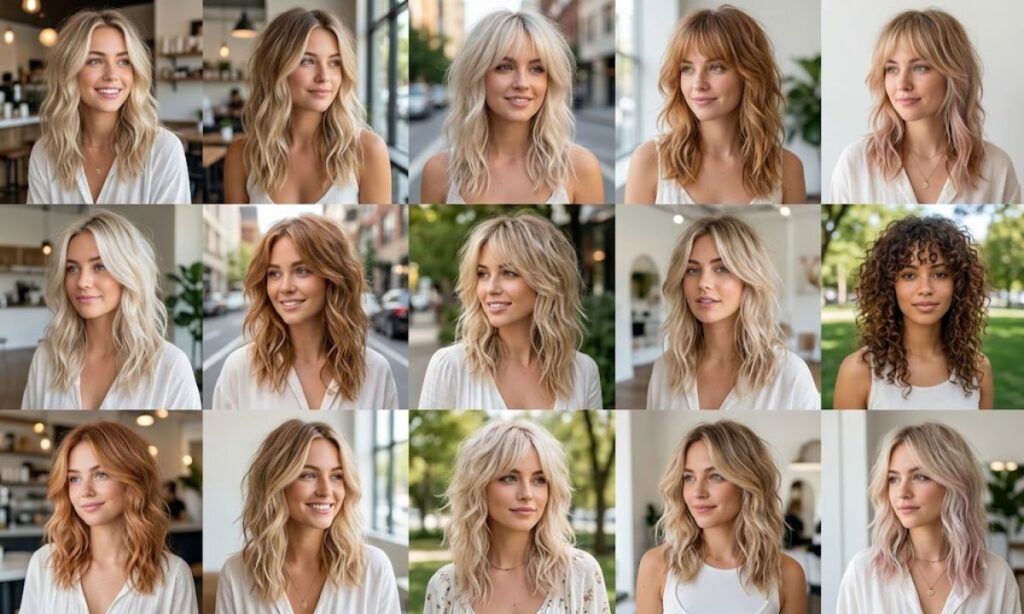
If you’ve scrolled through TikTok or Instagram lately, you’ve probably seen it: choppy layers, a shaggy silhouette, and just enough attitude to make heads turn. That’s the wolf cut, and it’s still one of the most requested haircuts in salons right now. Part mullet, part shag, this style is loved because it works on almost any hair type, length, or texture.
In this guide, you’ll find 14 wolf cut hair ideas to inspire your next salon visit, plus tips on choosing the right variation for your face shape and hair type, how to style it at home, and exactly what to say to your stylist so you walk out with the look you actually wanted.
What Is a Wolf Cut?

A wolf cut is a heavily layered haircut that blends the choppy, piece-y texture of a shag with the volume and shape of a mullet. Instead of one uniform length, hair is cut in stacked layers that create movement, body, and a slightly undone, effortless finish. It usually includes shorter layers around the crown and face, with length maintained toward the ends.
Because it’s built on texture rather than precision, the wolf cut hairstyle is forgiving of natural waves, cowlicks, and everyday styling — which is part of why it’s become so popular.
You may also like Wolf Cut Hair
14 Wolf Cut Hair Ideas to Try

Here are 14 standout wolf cut hair ideas, each suited to a different texture, length, or vibe.
1. Classic Wolf Cut Hair

The classic wolf cut sticks to the original formula: heavy layering through the crown, a rounded shag silhouette, and face-framing pieces. It’s the go-to starting point if you’re new to the trend.
2. Short Wolf Cut Hair

A short wolf cut sits around chin to shoulder length and delivers maximum texture with minimal upkeep. It’s ideal for fine or thin hair since the cropped layers create the illusion of volume.
3. Long Wolf Cut Hair

Keeping length while adding wolf-style layering gives you movement without sacrificing the ability to tie your hair back. The structure comes from the outer perimeter rather than heavily stacked layers, so it reads as edgy but still versatile.
4. Curly Wolf Cut Hair

On curly or coily hair, the wolf cut enhances natural spring and shape. Layers are cut curl-by-curl to avoid a triangular silhouette, letting each curl bounce independently for a fuller look.
5. Straight Wolf Cut Hair

A straight wolf cut leans into a cleaner, sharper silhouette. Choppy layers through the crown paired with a tapered end create contrast and shape rather than relying purely on volume.
6. Wolf Cut Hair with Bangs

Adding curtain or micro bangs to a wolf cut instantly modernizes the look. Soft, feathered bangs frame the face and blend seamlessly into the layered crown for a cohesive finish.
7. Shaggy Wolf Cut Hair

This version leans hardest into the “wolf” aesthetic — razor-cut ends, piecey texture, and an intentionally undone finish. It’s best for those who want maximum edge with minimal precision.
8. Soft Layered Wolf Cut Hair

A softer take on the trend uses gentler, blended layers instead of choppy ones. This creates a wolf-inspired shape that’s more polished and workplace-friendly.
9. Textured Wolf Cut Hair

Textured wolf cuts use point-cutting or razoring techniques to remove bulk and add grit. This works especially well on thick hair that needs weight taken out.
10. Colored Wolf Cut Hair

Color adds another dimension to the layers — think money-piece highlights, balayage, or a bold single shade. The layering pattern makes color placement pop, since each layer catches light differently.
11. Wavy Wolf Cut Hair

Natural or styled waves pair beautifully with the wolf cut’s layered structure. The waves emphasize movement at the ends while the layers add lift at the crown.
12. Pixie Wolf Cut Hair

A cropped, pixie-length wolf cut combines short, textured layers on top with slightly longer pieces around the nape and face. It’s bold, low-maintenance, and full of personality.
13. Feathered Wolf Cut Hair

Feathered layers flick outward rather than under, giving a retro-inspired, ’70s-shag feel. This variation softens the face and adds noticeable volume around the temples.
14. Wolf Cut Hair with Curtain Fringe

Long, sweeping curtain fringe combined with wolf-style layering creates a romantic, face-framing effect that works especially well on medium to long hair.
Wolf Cut Hair Ideas for Straight Hair
Straight hair doesn’t have natural texture to lean on, so the cutting technique does more of the work. Stylists typically:
- Use razor-cutting to create piecey, textured ends instead of blunt lines
- Add heavier layering around the crown for lift and shape
- Recommend texturizing spray or a light wave to prevent the cut from falling flat
Straight-haired wolf cuts tend to look cleaner and more structured than their curly or wavy counterparts, making them a great pick if you want the trend without the “undone” extremes.
Layered Styles
Wolf Cut Hair Ideas for Short Hair

Short wolf cuts are having a major moment because they require very little daily effort. Popular short variations include:
- Tousled, windswept layers with micro-bangs for a modern, edgy finish
- High-volume, messy textures with a longer crown for added height
- Face-framing layers that soften round or square face shapes
Short wolf cuts work particularly well for fine to medium hair, since the cropped layers create fullness without needing heat styling every day.
How to Choose the Right Wolf Cut Hair
Not every version of the wolf cut suits every person. The right choice depends on your hair density, texture, and how much daily styling you’re willing to do.
- Fine hair: Choose shorter, more compact layering to avoid looking stringy
- Thick hair: Opt for heavier texturizing and razor work to remove bulk
- Wavy or curly hair: Ask for curl-by-curl layering to keep the shape balanced
- Low-maintenance lifestyle: Stick to softer, blended layers rather than choppy shag layers
Best Hair Types and Face Shapes
| Face Shape | Recommended Wolf Cut Style | Why It Works |
| Round | Longer layers with side-swept bangs | Elongates the face and adds angles |
| Square | Soft, feathered layers around the jaw | Softens strong jawlines |
| Oval | Almost any variation, including short or curly | Balanced proportions suit most cuts |
| Heart | Curtain bangs with chin-length layers | Balances a narrower chin |
| Long | Shorter, voluminous crown layers | Adds width and shortens visual length |
Styling and Maintenance Tips

Keeping a wolf cut looking intentional (not just messy) takes a bit of routine care:
- Use a texturizing spray or sea salt spray to enhance natural piece-y texture.
- Diffuse curly or wavy hair on low heat to let layers settle without frizz.
- Blow-dry with a round brush at the crown for straight hair to build volume.
- Trim every 6–8 weeks since heavy layering grows out faster than blunt cuts.
- Apply a light pomade or wax to the ends only, to avoid weighing down the crown.
- Air-dry occasionally to let natural texture guide the shape, especially on wavy or curly hair.
How to Ask Your Hairstylist for This Look
Communication makes or breaks a wolf cut. Bring a reference photo close to your current hair type and texture, since results vary significantly between fine, thick, straight, and curly hair. When booking, you can say something like:
- “I want a wolf cut with heavy layering at the crown and length kept at the ends.”
- “Keep the layers piece-y and textured, not blunt or blended.”
- “I’d like curtain bangs that blend into the layers, not a separate fringe.”
Being specific about maintenance level low, medium, or high — also helps your stylist choose the right layering technique for your lifestyle.
Frequently Asked Questions
Is a wolf cut the same as a mullet?
No. A wolf cut blends shag-style layering with mullet-inspired volume, but it’s softer and more blended than a true mullet.
Does a wolf cut work on thin hair?
Yes, shorter layering and textured ends create the appearance of extra volume, making it a great option for thin hair.
How often do I need a trim?
Most people need a trim every 6–8 weeks to keep the layered shape from growing out unevenly.
Can I get a wolf cut with straight hair?
Absolutely. Razor-cutting and added texture at the crown create the shaggy effect even without natural waves.
Is the wolf cut high-maintenance?
It depends on the variation. Shorter, choppier versions need more daily styling, while soft layered cuts are lower-maintenance.
Conclusion
The wolf cut is more than a trend. It mixes shape, texture, and ease in one style. It works for short hair and long hair alike. Curly, straight, or wavy, there’s a version for you. That’s why so many people are trying it right now.
Picking the right wolf cut starts with knowing your hair. Think about your face shape too. Fine hair loves shorter layers. Thick hair looks great with texture removed. A little planning goes a long way.
At the end of the day, this cut is about having fun with your look. It’s bold but still easy to wear daily. Talk to your stylist and be clear about what you want. Show them a photo close to your hair type. Then enjoy your fresh, layered new style.
